What Makes Dining In at a Pizza Restaurant So Enjoyable

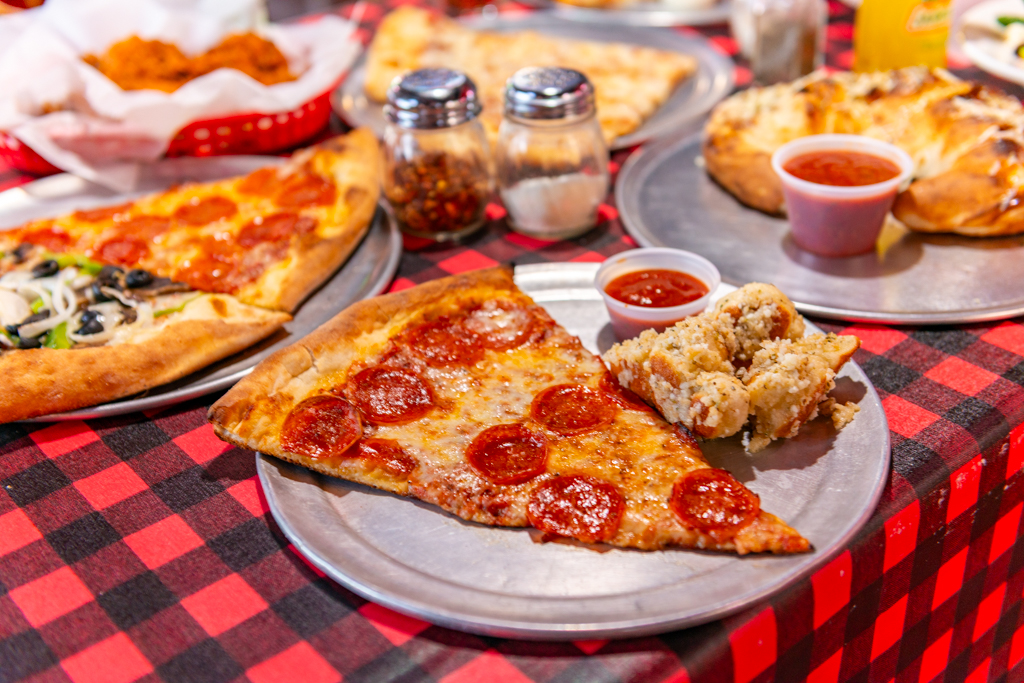

There is a reason people keep choosing to eat pizza at the restaurant even when takeout is easy, delivery is fast, and frozen options sit a few steps away in the grocery freezer. The appeal has never been just the food. A good pizza restaurant offers a kind of pleasure that starts before the first bite and lingers after the plates are cleared. It is sensory, social, practical, and emotional all at once.
Anyone who has spent time around restaurant dining rooms can see the pattern. Families arrive tired and hungry, couples slide into a booth after work, teenagers crowd around a table with pitchers of soda, and solo diners settle in with a book or a game on the television overhead. Within a few minutes, the room changes them. The pace loosens. Conversation picks up. Someone points toward another table and says, “That one looks good.” By the time the pizza lands, the meal already feels larger than dinner.
That transformation is what makes dining in so enjoyable. Pizza happens to be especially well suited to it.
The atmosphere does part of the cooking
A pizza restaurant announces itself in a way few other places can. Before the pie arrives, there is already heat in the room, often literally. If there is a deck oven or a wood-fired oven in view, it becomes part of the experience. People instinctively look toward flames, stone, and motion. They watch dough being stretched, peels sliding under crusts, cheese bubbling at the edges. Even in places where the kitchen is partly hidden, the smells give everything away.
That sensory build matters. Food always tastes different when anticipation has been properly set. The aroma of baking dough, tomato sauce reducing in the oven, garlic hitting hot oil, and a faint char from the crust creates a kind of edible soundtrack. At home, even a very good homemade pizza rarely arrives with that same buildup unless someone is willing to spend the entire evening managing dough, oven temperature, and cleanup. In a restaurant, all that labor disappears behind the scenes, and guests get the reward without the work.
Lighting also plays a bigger role than many operators admit. A well-run pizza restaurant rarely aims for fine-dining formality. It aims for warmth. Pendant lights, brick, worn wood, tile, open kitchen glow, and a little bustle in the room all signal that guests can settle in. Nobody feels pressured to decode the menu or perform sophistication. Pizza invites appetite rather than caution.
That ease is part of its strength. There is no awkward choreography around the meal. A pie is placed at the center. Hands reach. Slices move. People lean in. It is generous by design.
Pizza is one of the few foods built for sharing without ceremony
Shared plates can be cumbersome. They require serving spoons, careful dividing, negotiation over portions, and sometimes an undercurrent of competition. Pizza avoids most of that. Once it hits the table, everyone understands the system. Even children do. This creates one of the rare restaurant meals where the social mechanics are nearly frictionless.
At a good pizza restaurant, the table becomes active. One person grabs a slice immediately because they like it hot enough to burn their fingertips. Someone else lets theirs cool and peels back the cheese to inspect the toppings. Another trades a pepperoni slice for a mushroom one. Nobody needs a script. The meal moves naturally.
This is especially noticeable with groups that span different ages. Grandparents, toddlers, picky eaters, adventurous eaters, and people with only moderate hunger can all participate in the same order. That is harder than it sounds. Many restaurants force a table into individual decisions that separate the experience. Pizza pulls it back together.
There is also a subtle generosity in a round pie cut into slices. It suggests abundance without extravagance. A table can order enough for everyone to feel relaxed, maybe with leftovers, without entering the territory of excess that makes a meal feel heavy or wasteful. For many guests, that balance is deeply satisfying.
Fresh from the oven is not a small difference
People sometimes talk about restaurant pizza as if it differs from takeout only by location. In practice, the difference can be substantial. Pizza has a short peak window. A great pie is often at its best within the first several minutes after it leaves the oven. The crust still has structure, the bottom retains crispness, the cheese stretches cleanly, the sauce remains vivid, and the toppings taste distinct rather than steamy.
The trip home changes all of that. Even a ten-minute ride in a closed box traps moisture. Steam softens crust. Condensation settles under the lid and falls back onto the surface. Slices slide. Delicate toppings lose definition. Good pizzerias work hard to box pizza correctly, vent containers, and pace orders well, but physics usually wins.
Dining in solves that problem. A pizza restaurant can deliver the pie at the exact moment it is ready, not five or fifteen minutes later. That timing is one of the biggest reasons many people swear that their favorite place tastes better in house. It often does.
Thin-crust styles show this most clearly. A crisp Roman-inspired pie, a properly blistered Neapolitan pizza, or a tavern-cut pie with a dry snap can decline quickly after boxing. Heavier styles travel better, especially pan pizzas and deep dish, but even they benefit from immediate service. Cheese texture alone changes enough to affect the whole meal. Fresh from the oven, it tastes alive. In the box, it becomes part of a different, softer experience.
The room itself gives permission to relax
A strong restaurant experience is not just about food quality. It is about removing decisions. At home, dinner often comes with background obligations. Someone has to set the table, refill drinks, find napkins, preheat the oven, answer the door, clear plates, and handle cleanup. Even the most casual night carries a low-grade layer of management.
A pizza restaurant absorbs those tasks. Once seated, guests can focus almost entirely on each other. That is more restorative than many people realize. Hospitality at its best is the art of making people feel briefly unburdened.
This matters for parents in particular. Families do not come in only for calories. They come for relief. A booth, a basket of garlic knots, crayons, maybe a game on the screen, and a server who understands timing can turn a stressful weekday into a manageable one. Parents can eat while the food is hot. Children feel indulged but not overwhelmed. The atmosphere does not punish ordinary family noise. That combination is rare.
It matters for workers too. After a long day, a pizza restaurant offers a kind of emotional middle ground. It is more rewarding than fast food and less demanding than formal dining. You can wear what you were already wearing. You can order a beer or not. You can stay for forty minutes or two hours. The room meets people where they are.
Value feels different when the meal delivers experience, not just portions
People often discuss restaurant value in narrow terms, mostly price per person or portion size. Pizza changes the equation because diners are paying for an entire occasion, not just ingredients. Flour, tomatoes, cheese, and toppings are only part of what makes the night feel worthwhile. The oven, the labor, the pacing, the service, the communal setting, and the sensory payoff all count.
That said, pizza still tends to register as good value. A table can order one or two pies, maybe a salad and drinks, and feed several people without the bill climbing as sharply as it might at many other full-service restaurants. This gives dining in a pleasant lack of tension. Guests are more open to adding a starter, trying a specialty pizza, or ordering dessert when they do not feel they are entering high-stakes spending.
From an operator’s perspective, this balance is part of why pizza restaurants often become neighborhood institutions. Guests can make them a habit. Habit matters more than novelty in hospitality. The places that thrive over years are usually the ones people can return to on an ordinary Tuesday, not just on anniversaries.
The menu invites both routine and experimentation
One of the pleasures of dining in is that people can order exactly what they know they like, while still being tempted by something new. Pizza menus are unusually good at accommodating both instincts. A guest who wants classic cheese or pepperoni can get it with confidence. Someone else can branch out into hot honey, soppressata, roasted garlic, pickled peppers, white sauce, or seasonal vegetables without turning the whole table into a culinary negotiation.
This flexibility is easier to enjoy in the restaurant than at home. Seeing another table’s order pass by can influence decisions in real time. The server can explain how https://franciscohoxo536.cavandoragh.org/the-ultimate-pizza-restaurant-experience-for-food-lovers spicy a topping really is, whether the crust runs thin or airy, and which half-and-half combinations hold up well. These small bits of guidance prevent disappointment and make experimentation feel safe.
There is also a practical point here. Specialty pizzas often show their best side in-house because they are usually built around contrast. Crisp crust with soft cheese, salty meat with bright greens, spicy oil with cool ricotta. Those contrasts stay cleaner and more expressive when eaten immediately. Delivery tends to blur them.
Some of the best pizza restaurant meals happen when a table orders one familiar pie and one stretch pick. That approach satisfies comfort and curiosity at the same time.
Texture is social as much as culinary
Texture rarely gets discussed in casual dining, but it should. Good pizza creates a sequence of textures that people react to instinctively. The slight resistance of a well-baked crust, the fold or crackle of a slice, the pull of mozzarella, the occasional crunch of a charred edge, the freshness of basil added after the bake, the coolness of a salad served alongside a hot pie, these contrasts keep a simple meal interesting.
In a restaurant setting, that texture becomes communal. People comment on it aloud. Someone praises the crisp bottom. Someone else talks about the chew. One diner scrapes up the caramelized cheese that baked over the edge of the pan. These observations sound small, but they are part of the pleasure. Shared noticing builds shared enjoyment.
At home, especially with delivery, the meal can become quieter and more passive. People eat while watching television, answering texts, or moving around the kitchen. Dining in changes the center of attention. The pizza is no longer background fuel. It becomes the event.
Service matters more than many guests think
Pizza feels informal, but informal service still requires skill. In fact, because the mood is relaxed, mistakes are often more noticeable. Timing is everything. A good server knows when to bring drinks quickly, when to hold a salad so it does not crowd the table, when to fire a second pie, and when to bring extra plates without being asked. They can read whether a group wants quick efficiency or a slower evening.
Strong service in a pizza restaurant often looks effortless because it does not call attention to itself. Water glasses stay full. Used appetizer plates vanish. The server asks about allergies without making it awkward. They know which beers pair well with spicy sausage and which pizzas can be made a little crisper for guests who prefer more color on the crust. None of that feels formal, but all of it improves the meal.
There is also something reassuring about being cared for in a low-pressure setting. Guests often let their guard down more in a neighborhood pizza restaurant than they do in expensive dining rooms. When service is genuinely warm, the whole room feels more humane.
The best places understand that hospitality is not performance. It is accurate attention.
The sound of a pizza restaurant is part of the appeal
Not every enjoyable restaurant needs to be quiet. Pizza places tend to succeed with a moderate, lively volume, and that energy helps. There is the scrape of chairs, the clink of glasses, the muffled thump of dough being worked, the call from kitchen to expo, the quick burst of laughter from a nearby table. This is not background noise in the negative sense. It is proof that the room is alive.
A dining room with a little movement and sound gives people social cover. You do not feel exposed. Conversations can be private without needing whispers. Children can speak at normal volume. A first date has something around it besides silence. That makes the experience easier for many people, especially those who find very formal dining rooms stiff or self-conscious.
Of course, there is a trade-off. If the room becomes too loud, hospitality suffers. Families with small children may struggle, and older guests can find conversation tiring. The best pizza restaurant finds the middle point, energetic enough to feel popular, calm enough that nobody has to fight to be heard.
Some pleasures belong specifically to the table
A few parts of pizza dining simply do not translate well outside the restaurant. The first slice lifted from a full pie has a small moment of drama to it. The center droops slightly, the cheese stretches, steam rises, and everyone sees at once how the bake turned out. The table reads the pizza together. Too much flop, great char, generous basil, perfect edge, everyone notices something.
Then there are the tiny rituals people build around the meal. Passing the chili flakes. Debating whether ranch belongs on the table at all. Ordering another drink because the second half of the pizza deserves it. Saving one slice on purpose for whoever steps away to wash their hands. Negotiating over the last piece in mock seriousness. These details sound trivial until you remove them. They are often what people remember.
From years of watching dining rooms, one thing becomes clear. People rarely reminisce about the convenience of a delivered pizza. They remember the booth, the birthday candle stuck into a cannoli, the server who knew their usual order, the game on the television, the winter night when the windows fogged up, the summer evening when the patio smelled like basil and dough. The place matters.
Not every pizza restaurant creates the same experience
It is worth saying that “dining in” is not automatically enjoyable everywhere. A pizza restaurant succeeds when it aligns food, service, and atmosphere. If the crust is excellent but the room feels neglected, guests notice. If the design is stylish but the pies arrive lukewarm, the mood drops quickly. Informal dining is forgiving, but only to a point.
The strongest operators usually get a few essentials right:
- They serve pizza at the right moment, not when it is convenient for the kitchen.
- They maintain a room that feels clean, relaxed, and comfortably busy.
- They train staff to guide rather than script.
- They design menus with variety but keep execution tight.
- They understand that repeat guests value consistency more than gimmicks.
Those principles sound simple. They are not. Pizza looks easy from the dining room and is anything but. Dough fermentation, oven calibration, topping moisture, ticket pacing, and staffing all have to work in concert. When they do, the guest experiences none of that complexity. They just feel that the place is good.
Why people come back
The strongest argument for dining in at a pizza restaurant is not technical, it is human. People return because the experience fits real life. It can be celebratory without being expensive, casual without feeling careless, familiar without becoming dull. It suits birthdays, Little League wins, late work nights, first dates, Sunday afternoons, and quick dinners when nobody wants to cook.
Pizza itself helps by being deeply democratic. Few foods are this widely liked across age groups and personalities. But the restaurant turns that broad appeal into something memorable. It adds heat, timing, atmosphere, and service. It gives people a place to gather around something simple that still feels like a treat.
That is the secret, if there is one. Dining in works so well because pizza is never only about pizza. It is about being somewhere that smells good, feels easy, and asks very little from you except appetite. The best pizza restaurant delivers more than a meal. It gives people a setting where food, comfort, and company line up at the same time, and that combination remains hard to beat.
RUFFRANO'S HELL'S KITCHEN PIZZA Security
385 Main St, Colorado Springs, CO 80911
(719) 390-4355
FAQ About pizza restaurant
Is there a Hell's Kitchen pizza restaurant in Security-Widefield?
Yes. Ruffrano's Hell's Kitchen Pizza has a Security-Widefield location at 385 Main St.
Where can I find pizza delivery in Security-Widefield?
Ruffrano's Security location offers online ordering. Enter your address at checkout to check delivery availability and fees.
Where can I find gluten-free pizza in Security-Widefield?
Ruffrano's menu lists a 12-inch gluten-free option. Call the Security location to confirm availability and ask about shared equipment if cross-contact is a concern.