Classic Jamaican Food Dishes and What Makes Them Special
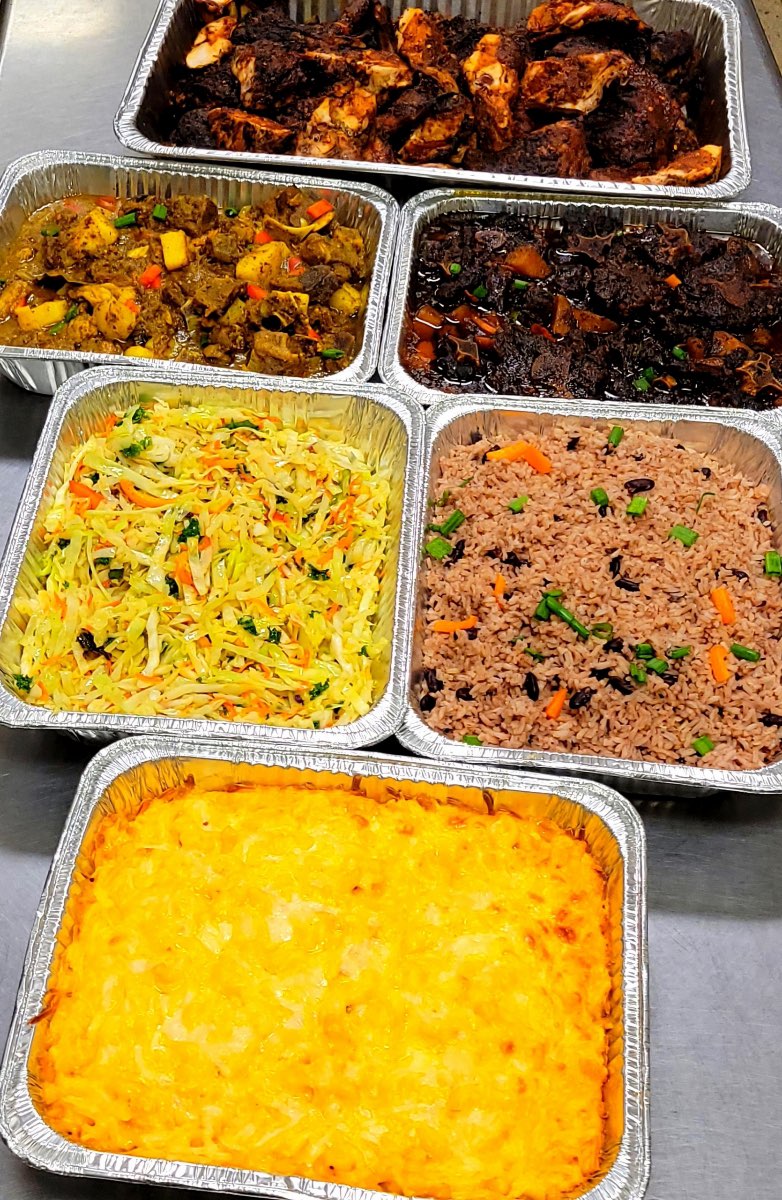
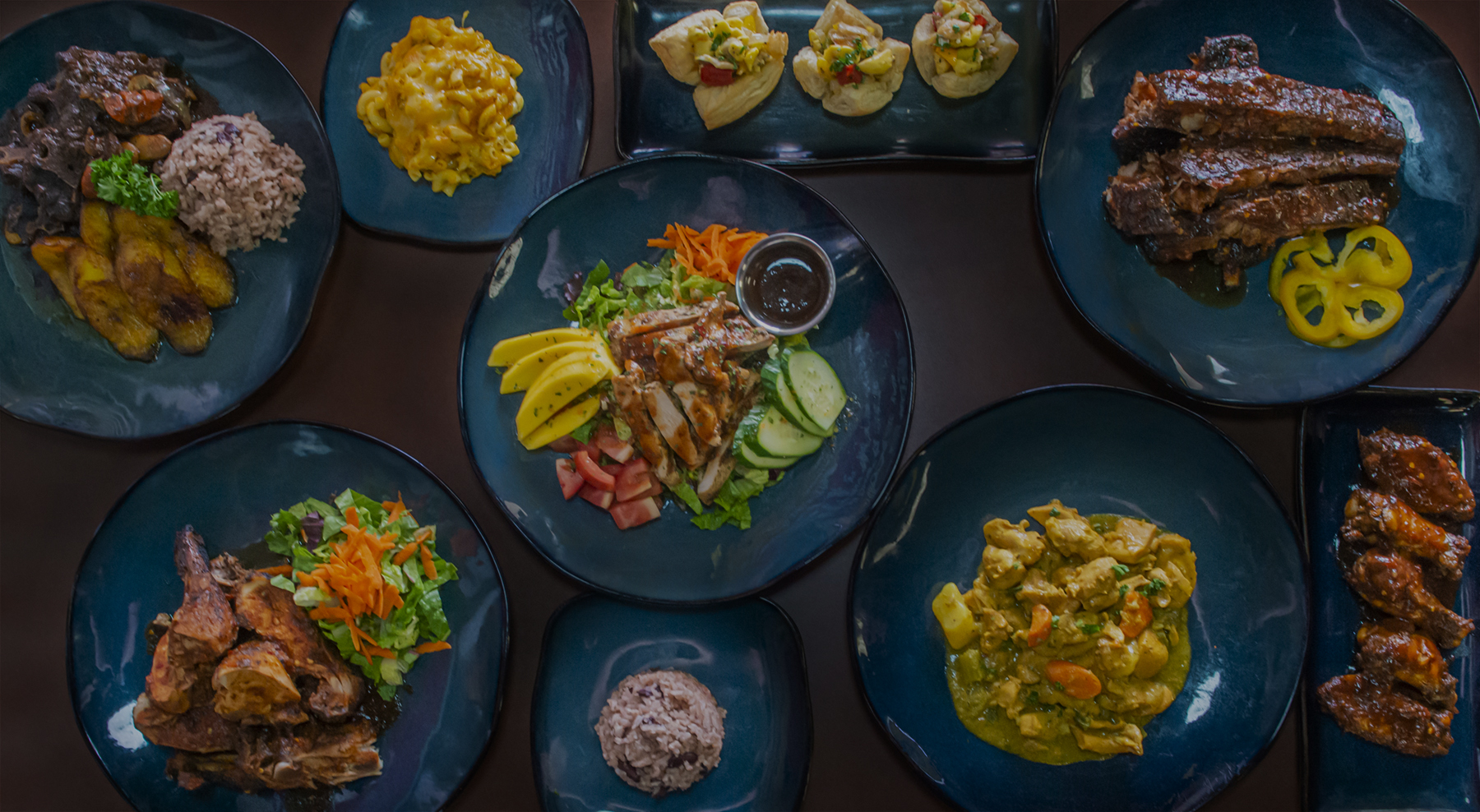
Jamaican food has a way of being unmistakable from the first bite. Even before the plate hits the table, the aromas give it away. Scotch bonnet heat, scallion, thyme, allspice, pimento smoke, coconut, ginger, and slow-cooked meat come together in combinations that feel bold but never careless. The cuisine is layered, practical, deeply regional, and shaped by a long history of migration, agriculture, scarcity, celebration, and invention.
People who know Jamaican food well rarely talk about it as a single thing. They talk about a roadside jerk pan in Boston Bay, a Sunday dinner with rice and peas and chicken, a flaky beef patty eaten too quickly and burned fingertips to prove it, a bowl of mannish water after a dance or a party, fried festival with escovitch fish by the sea, or a proper https://landenumsv649.meridiannest.com/posts/why-jamaican-food-is-more-than-just-a-meal breakfast of ackee and saltfish with boiled green banana and yam. Those details matter because the food lives in context. It is not only about flavor. It is about when a dish is eaten, who makes it, what it is served with, and the kind of occasion that calls for it.
What makes classic Jamaican dishes special is not just spice or heat. It is the balance of intensity and restraint. A great Jamaican cook knows when to let smoke dominate and when to pull it back. They know that a pot of oxtail needs patience, that curry goat cannot be rushed, and that the difference between good ackee and mediocre ackee often comes down to texture and timing. The best versions taste seasoned all the way through, not merely coated on the surface.
Why Jamaican food stands apart
Jamaican cuisine reflects many influences, but it does not feel borrowed. African cooking traditions, Indigenous ingredients and techniques, British colonial influence, Indian curry traditions, Chinese migration, and the realities of island farming all left marks. Over time, those marks fused into something highly distinct.
That is why the same ingredient can tell several stories at once. Saltfish, for example, is tied to trade routes and preservation. Ackee arrived from West Africa and became central to the island’s best-known breakfast. Curry powder came through Indian influence, but Jamaican curry tastes different from Indian curry because the surrounding pantry is different. Scotch bonnet peppers, thyme, scallion, allspice, ginger, and browning create a flavor structure that reads as Jamaican immediately.
Another reason jamaican food stands out is its command of contrast. Crispy and tender, peppery and sweet, smoky and fresh, rich and acidic, these pairings show up constantly. Escovitch fish comes with sharp pickled vegetables. Jerk meats often meet soft bread or festival. Rich brown stews are served with plain rice, rice and peas, or starchy ground provisions that absorb every drop of gravy.
Ackee and saltfish, the dish that surprises people first
Few dishes represent Jamaica more clearly than ackee and saltfish. For anyone unfamiliar with ackee, the first encounter can be disorienting. The fruit, when cooked properly, looks a little like scrambled eggs, but its texture is softer and more delicate, almost buttery. It is paired with salted cod, usually sautéed with onion, tomato, scallion, thyme, and often Scotch bonnet for a measured kick.
What makes this dish special is the interplay between richness and salinity. Ackee is mild, almost creamy, and the saltfish brings structure and character. A skilled cook keeps the ackee intact. Overstir it and the dish turns mushy. Underseason it and the ackee tastes flat. Oversalt the fish and it overwhelms everything. The sweet spot is narrow, which is part of why a really good plate leaves such an impression.
It also matters what comes alongside it. Fried dumpling gives crunch and heft. Boiled green banana, yam, or roasted breadfruit make the meal more grounded and substantial. Eaten together, the plate feels complete, not assembled. Many classic Jamaican meals work that way. The main component is only one part of the experience.
Jerk, more technique than seasoning
Outside Jamaica, jerk often gets reduced to a bottled marinade or a generic spice blend. That misses the point. Jerk is a method, a flavor profile, and a cooking tradition. At its best, it is deeply seasoned meat cooked over pimento wood, with smoke as an active ingredient rather than a background note.
The seasoning usually includes allspice, Scotch bonnet, thyme, scallion, garlic, ginger, and salt, often with touches of cinnamon, nutmeg, soy, vinegar, or brown sugar depending on the cook. But the real difference lies in the fire and the handling. Jerk chicken cooked too fast can taste scorched on the outside and bland underneath. Cooked too slowly without enough smoke, it loses its identity. Great jerk develops bark, char, juiciness, and aroma all at once.
Jerk pork is often the more rewarding version because the fat carries smoke beautifully and stands up to aggressive seasoning. Chicken is more common and easier to find, but pork has a depth that lingers. Traditionally, jerk is served with bread, festival, bammy, or roasted sweet potato, not because those sides are decorative, but because they tame the pepper and make the meal more satisfying.
One useful way to judge jerk is by what happens after the heat fades. If all you remember is burn, it was not balanced. If you remember smoke, warm spice, herb, sweetness, and pepper in sequence, you had the real thing.
Rice and peas, the backbone of the table
No dish is more underestimated by outsiders than rice and peas. It is easy to dismiss it as a side, but in a Jamaican meal it often acts as the quiet center that lets stronger flavors make sense. The “peas” are usually kidney beans or gungo peas, and the rice is cooked with coconut milk, thyme, scallion, Scotch bonnet, and sometimes allspice.
Done well, every grain carries flavor. Done poorly, it becomes heavy, wet, or bland. That distinction matters because rice and peas sits beside some of the boldest dishes in jamaican food, including stew chicken, curry goat, oxtail, and fried fish. It is there to absorb gravy, to cool heat, to offer a little sweetness from coconut, and to anchor the meal.
Sunday dinner in many Jamaican households leans on this structure. The meat may change. The rice and peas often does not. It is one of those dishes that reveals the seriousness of a kitchen. Anyone can focus attention on the main protein. Good home cooks know the rice has to be right too.
Curry goat, patient cooking with real depth
Curry goat is one of the most beloved dishes on the island and across the diaspora, especially at gatherings. The appeal goes beyond spice. Jamaican curry goat should taste earthy, aromatic, and deeply infused, with meat that has yielded to time without collapsing into shreds.
Goat needs careful handling. It has a stronger flavor than chicken and can turn tough if rushed. Marination helps, but low, steady cooking is what transforms it. Jamaican curry powder tends to be robust and toasted, with a profile that works beautifully with garlic, thyme, scallion, onion, ginger, and Scotch bonnet. Potatoes often go into the pot near the end, thickening the gravy and taking on all that concentrated flavor.
This is a dish where shortcuts show immediately. Lean cuts can dry out. Thin gravy feels disappointing. Underseasoned curry goat tastes muddy rather than complex. The best versions have a clean but lingering finish, where the spices are present without becoming dusty or bitter.
Curry goat also shows one of the most interesting truths about Jamaican cooking. The cuisine likes boldness, but it does not reward noise. Big flavor has to be built in stages.
Oxtail, richness handled with discipline
Oxtail is now expensive enough that many people think of it as a luxury dish, but it comes from a tradition of making tough cuts magnificent. Jamaican oxtail is usually browned, braised, and finished until the meat is tender enough to pull from the bone with very little effort. Broad beans often join the pot near the end.
What makes Jamaican oxtail special is the gravy. It should be glossy, savory, and concentrated, carrying onion, garlic, thyme, scallion, black pepper, allspice, and often browning sauce or a touch of ketchup for color and depth. Some cooks add butter beans earlier, some later. The timing changes the texture, and people have strong preferences. Earlier gives creamier beans that partly melt into the sauce. Later keeps them more intact.
There is a trade-off in braising oxtail. Cook it too little and the connective tissue stays stubborn. Cook it too aggressively and the sauce turns greasy while the meat loses definition. A good pot finds the middle ground. That is why the best versions usually come from cooks who know the dish by feel rather than by strict clock time.
Escovitch fish, a lesson in contrast
If jerk is about smoke and curry goat is about depth, escovitch fish is about contrast. Usually made with whole fried fish, often snapper when available, it is topped or dressed with a sharp mixture of vinegar, onion, carrot, Scotch bonnet, and pimento. The fish is crisp, the dressing bright and hot, the flesh moist underneath.
This dish works because Jamaica understands acid. Rich food needs relief. Fried fish without the pickled topping can be good. With escovitch dressing, it becomes memorable. The vinegar wakes up the palate. The vegetables add crunch. The pepper cuts through the oil from frying.
Escovitch is often served with bammy or festival, especially near the coast. Bammy, made from cassava, has a mild taste and a sturdy texture that works especially well with fish. Festival adds sweetness and softness. Either side changes the meal in a different direction, which is part of the fun. Jamaican plates rarely feel one-dimensional.
Patties, the portable icon
The Jamaican patty deserves its fame. It is one of the most successful hand-held foods anywhere because it gets so much right at once. The crust should be flaky but strong enough to hold the filling. The filling should be moist but not runny. The seasoning should be assertive enough that a small pastry still tastes complete.
Beef is the classic choice, but chicken, vegetable, cheese, shrimp, and ackee versions all have their followers. The pastry often gets its yellow color from turmeric or curry powder, and that hint of spice in the crust matters. It should not taste neutral.
What makes patties special is how democratic they are. They belong to school lunches, bakeries, bus stations, corner shops, office breaks, and late-night cravings. They can be eaten on the move or paired with coco bread for a fuller meal. People who did not grow up with Jamaican food often discover it through patties first because the format feels familiar. The flavor does the rest.
Stew chicken and brown stew, everyday mastery
Not every classic dish needs the ceremony of jerk or the expense of oxtail. Brown stew chicken is everyday Jamaican excellence. The chicken is seasoned, browned, and simmered with onion, scallion, tomato, thyme, garlic, pepper, and a darkened sauce that tastes savory, lightly sweet, and deeply chicken-forward.
This is the kind of dish that reveals whether a cook understands seasoning from the inside out. The meat itself has to taste good before it enters the pot. The gravy should cling but not congeal. Browning adds color and a faint bittersweet edge, but too much can make the pot taste burnt. It takes a restrained hand.
Stew chicken matters because it is the food of routine, and routine dishes are where culinary standards live. Grand dishes can impress guests. Daily cooking shows real skill.
Ground provisions, dumplings, and the starchy intelligence of the cuisine
A lot of outsiders focus on the proteins, but the starches in Jamaican food are just as important. Boiled yam, green banana, coco, cassava, breadfruit, fried dumplings, bammy, and festival all do different work on the plate. They are not filler. They are part of the flavor architecture.
Breadfruit, for instance, can be roasted until the outside chars and the inside turns soft and nutty. It pairs beautifully with ackee and saltfish or mackerel. Boiled green banana brings a clean, slightly dry texture that works with saucy dishes. Fried dumplings offer crisp edges and tenderness inside, a satisfying contrast to flaky fish or soft ackee. Festival, slightly sweet and fried, is especially good with salty or spicy food.
This is one of the pleasures of jamaican food that menus do not always explain. Two meals with the same main dish can feel entirely different depending on the starch beside it.
Soups and Saturday cooking
Jamaican soups are not light starters. They are often full meals, substantial enough to carry a day. Saturday soup is a real rhythm in many homes, and dishes like chicken foot soup, red peas soup, and mannish water are tied to both practicality and comfort.
Red peas soup, usually built around kidney beans, salted meat or beef, coconut milk, root vegetables, and spinners, has body and warmth without becoming one-note. Mannish water, often made from goat parts and lots of herbs and seasoning, is famous both as a restorative and as a social food after celebrations. These soups show another side of the cuisine, one rooted in thrift, nourishment, and skilled extraction of flavor from humble ingredients.
For cooks, soups are revealing. They require seasoning that penetrates liquid, starch that holds shape without disintegrating too soon, and an understanding of timing. Add dumplings too early and they become heavy. Add vegetables too late and the broth never takes on their sweetness.
What seasoned cooks pay attention to
When people try to recreate Jamaican dishes at home, a few details make the difference between something pleasant and something convincing.
- Fresh thyme, scallion, garlic, ginger, and Scotch bonnet matter more than large amounts of dried spice.
- Allspice, often called pimento in Jamaica, is foundational and should taste warm and fragrant, not dusty.
- Browning, smoke, and char need control. A little deepens flavor. Too much flattens everything into bitterness.
- Coconut milk should support, not drown. Richness is welcome, but it should not make rice or soup feel greasy.
- Resting and marination help, but patient cooking matters more in dishes like curry goat, oxtail, and stew chicken.
Those principles explain why restaurant Jamaican food can vary so much. Some kitchens get the seasoning right but rush the cooking. Others cook slowly but rely too heavily on salt or bottled sauces. The best cooks respect both the pantry and the clock.
Sweet endings and everyday drinks
Although savory dishes often dominate the conversation, Jamaican food culture also has a strong sweet side. Rum cake, gizzada, grater cake, and sweet potato pudding all carry distinct textures and histories. Sweet potato pudding, in particular, can be remarkable when made properly, dense, spiced, and fragrant with coconut and warming spice.
Drinks matter too. Sorrel, especially around Christmas, has tartness and spice that cut through rich meals. Ginger beer, when homemade and genuinely fiery, has more in common with a tonic than a soda. Irish moss, peanut punch, and carrot juice each show the island’s practical instinct for nourishment and flavor together.
These pairings reinforce something essential. Jamaican cuisine is not random abundance. It is thoughtful matching. Rich dishes get bright drinks. Heat gets sweetness. Fried foods get acidity.
Why these dishes endure
Classic Jamaican dishes endure because they offer more than nostalgia. They are structurally sound foods, built on techniques that make sense and flavors that reward repetition. Smoke, acid, heat, starch, herbs, fat, sweetness, and salt are all used with purpose. Even dishes born from hardship carry a sense of generosity on the plate.
They also endure because they are social. Jerk is cooked outdoors and shared. Curry goat appears at gatherings. Rice and peas belongs to family dinners. Patties bridge class and occasion. Soup ties into weekly ritual. A cuisine survives not just because it tastes good, but because people know when to cook it, how to serve it, and what it means to those at the table.
For anyone exploring jamaican food seriously, the best approach is to pay attention to combinations rather than isolated dishes. Ackee and saltfish is not only ackee and saltfish. It is also what sits beside it. Escovitch fish is not only fried fish. It is vinegar, carrot, onion, and pepper working together. Jerk is not just a spice blend. It is seasoning, smoke, wood, patience, and fire management.
That is what makes these classic dishes special. They are vivid, yes, but they are also disciplined. They carry history without feeling static. And when they are cooked well, they do what the best regional food always does. They tell you exactly where they come from, even before anyone says the name.
Reggae Pot Jamaican Grill
7562 S University Blvd C, Centennial, CO 80122
(303) 997-5623
FAQ About jamaican food
What is the best Jamaican food to try in Centennial?
The best choice depends on your preferences. Reggae Pot Jamaican Grill offers jerk chicken, curry goat, oxtail, and escovitch snapper, along with sides such as rice and peas and fried plantains. Ask the restaurant about current availability and spice levels before ordering.
Is Jamaican food very spicy in Centennial?
Heat varies by dish and preparation. Jerk dishes can be hot, while some stews and sides are milder. Tell the restaurant your preferred heat level and ask which options suit you.
What is typically on a Jamaican menu?
Common choices include jerk chicken, curries, oxtail, fish, patties, rice and peas, and plantains. Reggae Pot also lists ackee and saltfish and vegetable dishes. Menus and availability can change, so confirm your choices when ordering.